



7 Reasons to Switch to Organic Living Today
Share
There’s a quiet shift happening in how people think about food. It’s less about strict dieting and more about what’s actually in the food we eat. Labels are being read more closely. Ingredient lists matter and increasingly, people are leaning towards organic food, not out of trend, but out of awareness.
That said, organic living can feel overwhelming at first. It often gets associated with expensive shopping lists or time-consuming routines. In reality, it doesn’t have to look like that at all.
A more practical approach is to focus on simple, consistent swaps, especially ones that fit seamlessly into a modern and busy lifestyle. Here’s why making that shift is worth considering.
What Does Organic Living Really Mean?
Organic living is about choosing food produced without synthetic pesticides, artificial fertilisers or genetically modified organisms (GMOs). In the UK, organic certification is tightly regulated, which means products labelled organic must meet specific standards around farming and processing.
Benefits of Organic Living
Beyond definitions, organic living is really about being more intentional. It’s not about perfection or restrictions. It’s about gradually choosing cleaner and more transparent food options where it makes sense for you. So why should you consider switching organic living? Let’s find out.
1. Reduce Your Exposure to Hidden Chemicals
One of the most immediate benefits of organic food is reduced exposure to synthetic pesticide residues. Organic farming standards prohibit the routine use of artificial pesticides and fertilisers. Farmers are permitted to rely on only a small selection of plant-based pesticides such as citronella or clove oil. Even then, their use is allowed strictly as a final measure under tightly controlled conditions.
This becomes particularly relevant with highly processed foods, where additives can quietly add up. A practical way to start is by looking at foods you eat most often and asking, is there a cleaner version available?
2. Support Your Body with Cleaner Nutrition
Organic food often comes with simpler ingredient profiles, which can make a meaningful difference. For those following low-carb or keto lifestyles, this becomes even more important. These diets rely heavily on whole foods and controlled macronutrients, so ingredient quality plays a bigger role.
There’s also emerging evidence that organic crops may contain higher levels of certain antioxidants. Organically grown crops had higher antioxidant concentrations compared to conventionally grown ones. While that doesn’t mean organic is a cure-all, it does reinforce the idea that quality of ingredients matters, not just calories or macros.
3. Make Healthy Eating More Convenient (Not Harder)
A common misconception is that organic eating requires cooking everything from scratch. That might have been true a decade ago, but not anymore. Today, there are genuinely convenient options that align with both organic principles and modern diets.
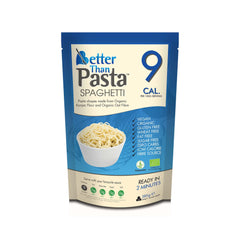
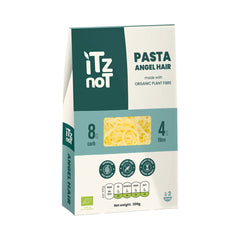
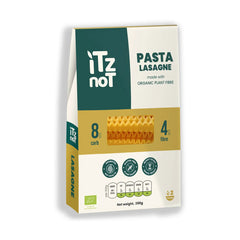
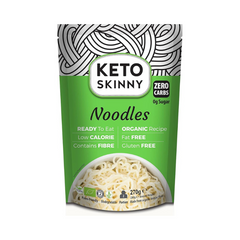
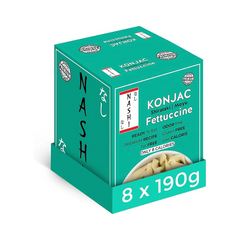
Something as simple as switching to low-carb organic konjac noodles can make everyday meals lighter and less processed without adding extra effort. Konjac-based foods are low in calories and carbohydrates, making them particularly popular among keto and weight-conscious consumers. The key is choosing foods that fit into your routine rather than disrupt it.
4. Support Sustainable and Ethical Farming
Organic farming isn’t just about what’s not used, it’s also about how food is produced. Practices like crop rotation, natural pest control and soil health management are central to organic agriculture. These methods maintain long-term soil fertility and reduce environmental impact.
The organic farming can support biodiversity and improve soil quality over time, which are critical for sustainable food systems. For many people, this becomes part of a bigger picture to choose food that aligns not only with personal health but also with environmental responsibility.
5. Enjoy Better Taste and Ingredient Quality
Taste is subjective, but there’s a noticeable difference when food is made with fewer artificial additives. Organic products tend to rely less on flavour enhancers and more on the quality of the ingredients themselves. That often results in a cleaner and more natural taste, especially in simple meals.
It’s something you begin to notice over time. Once you get used to shorter ingredient lists, heavily processed foods can start to feel complex or artificial.
6. Easily Align with Low-Carb & Special Diets
One of the challenges with specialised diets, whether it’s keto, gluten-free or plant-based, it is finding products that tick all the boxes such as clean ingredients, correct macros and convenience.
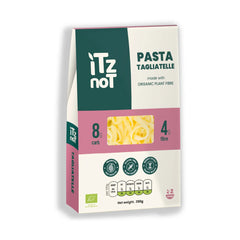
That’s where organic options are bridging the gap. Switching to organic low-carb pasta alternatives allow you to maintain dietary goals without relying on heavily processed substitutes. It’s a small shift, but one that can make consistency much easier over time. Consistency, more than anything, is what drives long-term results.
7. It’s Easier and More Accessible Than Ever
There’s still a perception that organic living is expensive or difficult to maintain. However, accessibility has improved significantly in recent years. More importantly, you don’t need to switch everything at once. A more realistic approach to start with:
-
Staple foods you eat regularly
-
Products with long ingredient lists
-
Items you rely on for convenience
Even one or two thoughtful swaps can make a meaningful difference without increasing complexity.
How to Start Organic Living
If you’re not sure where to begin, keep it simple:
-
Start with everyday staples: Pasta, sauces, ready meals
-
Focus on convenience: Choose options that save time
-
Read ingredient labels: Fewer and recognisable ingredients are a good sign
Prioritise consistency over perfection
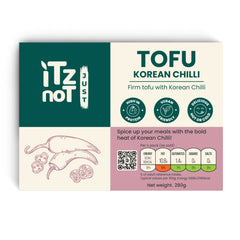
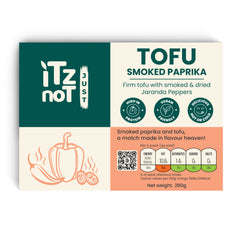
If time is tight, exploring options like organic ready meal options can help you to stay on track without defaulting to heavily processed alternatives. The goal isn’t to overhaul your lifestyle overnight. It’s to build something sustainable.
Conclusion: Small Changes, Real Impact
Organic living doesn’t need to be all or nothing. In practice, it’s simply a series of better choices made consistently over time.
Whether it’s reducing exposure to unnecessary additives, supporting more sustainable farming or finding cleaner ways to follow a low-carb lifestyle, the shift can be practical and worthwhile. Start with what feels manageable. Build from there and choose options that genuinely fit your needs.


