


Creative Ways to Use Konjac Rice in Everyday Cooking
Share
Finding healthier alternatives for everyday staples no longer means compromising flavour or convenience. Unlike many trendy ingredients, konjac has centuries of culinary heritage behind it. Konjac rice has become a popular choice among people who want lighter meals to enjoy satisfying dishes inspired by cuisines from around the world. Whether you're following a lower-carbohydrate lifestyle, looking for a gluten-free option or interested in broadening your pantry, there are many konjac rice recipes that fit into everyday cooking.
What Is Konjac Rice Made Of?
Understanding what konjac rice is made of helps to explain why it differs so much from traditional grains.
Konjac rice is typically made from konjac corm-derived flour, which is rich in glucomannan, a soluble dietary fibre used in East Asian food traditions. In manufacturing, the flour is mixed with water and often calcium hydroxide or another alkaline ingredient to form the rice-like texture, then rinsed, shaped, and packaged.
Unlike white rice, konjac rice contains little digestible carbohydrates because it is primarily composed of water and fibre. It is gluten free and suitable for vegan diets for people with different dietary preferences.
The Origin of Konjac Rice
The konjac rice origin can be traced back to East Asia, where the konjac plant has been cultivated for centuries. Japan, China and parts of Southeast Asia have traditionally used konjac to prepare foods such as noodles, jelly-like dishes and rice alternatives.
Today's convenient ready-to-eat products build on this culinary heritage to meet modern expectations for convenience. This combination of tradition and innovation explains why konjac has gained popularity well beyond Asia, particularly among consumers looking for lighter meal options.
What Does Konjac Rice Taste Like?
Konjac rice has a very mild, almost neutral flavour. It absorbs herbs, spices, sauces, and seasonings well.
Texture is where it differs most from conventional rice. Konjac rice has a slightly firmer and more springy bite. It is recommended to drain it thoroughly and gently dry frying it for two or three minutes before adding sauces or other ingredients.
Konjac Rice vs White Rice
When comparing konjac rice vs white rice, it helps to remember that each serves a different purpose in the kitchen.
White rice is a staple grain that provides carbohydrates as an energy source and works across countless cuisines. Konjac rice, by contrast, is primarily a fibre-based alternative with fewer calories and carbohydrates because it is largely made from water and glucomannan.
| Konjac Rice | White Rice | |
|---|---|---|
| Main ingredient | Konjac Flour | Rice grain |
| Calories | Lower | Higher |
| Carbohydrates | Low | High |
| Fibre | Contains glucomannan fibre | Lower fibre |
| Cooking | Usually ready to eat after rinsing or heating | Requires cooking |
| Flavour | Neutral | Mild grain flavour |
Konjac Rice Benefits
The popularity of konjac reflects several practical advantages. Some of the recognised konjac rice benefits include:
- Very low in calories compared with cooked white rice.
- Naturally low in digestible carbohydrates.
- Contains glucomannan, a soluble dietary fibre recognised by food authorities.
- Suitable for vegan and gluten-free diets.
Easy and Delicious Ways to Enjoy Konjac Rice
One of the biggest advantages of konjac rice is its versatility. Rather than overpowering a recipe, it absorbs the flavours of herbs, spices, and sauces, allowing each dish to shine.
The beauty of konjac rice lies in its adaptability. Once you understand how well it absorbs flavour, it becomes easy to incorporate into many of your favourite recipes, from Asian-inspired dishes to Mediterranean bowls and simple family meals.
Whether you're recreating familiar family favourites or experimenting with international cuisines, these ideas show how easily konjac rice can become part of your regular meal rotation.
1. Vegetable Stir-Fried Konjac Rice
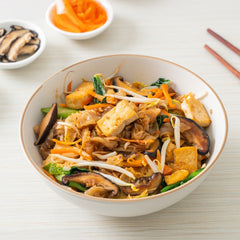
Vegetable stir-fry is one of the simplest ways to enjoy konjac rice. Saute garlic, ginger, spring onions, peppers, carrots, mushrooms and broccoli in a little sesame oil before adding the rice. Finish with light soy sauce, a splash of rice vinegar, and toasted sesame seeds for a balanced meal that's packed with flavour and texture.
If you're looking for a convenient option inspired by this classic dish, the Konjac chinese stir fried rice is a ready-to-eat meal prepared with similar flavour profiles.
2. Chicken Fried Konjac Rice
Combine cooked chicken breast with peas, carrots, scrambled egg and spring onions. Because konjac rice absorbs seasoning, ingredients such as garlic, ginger and a small amount of soy sauce create plenty of flavour without the dish feeling heavy.
3. Mushroom and Herb Rice Bowl
Earthy mushrooms, garlic and fresh herbs pair well with konjac rice. Cook chestnut or button mushrooms until golden, then stir through the rice with parsley, thyme and a little grated Parmesan, or a plant-based alternative.
4. Mediterranean Vegetable Bowl
Roasted courgettes, peppers and cherry tomatoes bring colour and sweetness to konjac rice. Finish with crumbled feta, olives, fresh basil and a squeeze of lemon for a vibrant Mediterranean-inspired lunch that's equally enjoyable when served warm.
5. Thai-Inspired Coconut Curry Bowl
Konjac rice works with fragrant curries because it absorbs rich sauces without competing with delicate spices. Pair it with mixed vegetables, tofu or prawns in a light coconut curry flavoured with ginger, garlic and lime for a satisfying midweek dinner.
6. Mexican Burrito Bowl
Layer warm konjac rice with black beans, grilled chicken or smoky tofu, avocado, tomato salsa, sweetcorn and fresh coriander. The combination of fresh ingredients creates a meal with contrasting textures that feels hearty and balanced.
7. Protein-Packed Meal Prep
Combine Konjac rice with grilled salmon, roasted vegetables, lean chicken or marinated tofu to create nutritious lunch boxes for the week ahead. Its ready-to-eat format helps to reduce preparation time, making healthy eating more practical on busy days. For convenience, Shirataki konjac moyu rice offers a ready-to-eat option that's easy to incorporate into meal prep and everyday cooking.
8. A Fresh Twist on Rice Salads
Konjac rice isn't limited to hot meals. Once chilled, it can be tossed with cucumber, cherry tomatoes, avocado, herbs and a light lemon dressing to create a refreshing salad. Adding chickpeas, grilled chicken or prawns transforms it into a satisfying lunch.
Choosing the Right Konjac Rice
It is important to note that not all konjac rice products are the same. Ingredient quality, texture, and convenience can vary, so it's worth choosing Konjac rice collections made with simple ingredients and clear preparation instructions. The best konjac rice recipes are rarely the most complicated. They simply combine fresh ingredients, thoughtful seasoning and practical cooking techniques to create meals that feel satisfying and nourishing.
FAQs
Does konjac rice need to be cooked?
Most packaged konjac rice sold in the UK is pre-cooked and only needs to be rinsed (if recommended by the manufacturer) and heated before serving. Some people also dry fry it for a few minutes to remove excess moisture and improve its texture. Always follow the preparation instructions on the packaging.
What cuisines work best with konjac rice?
Konjac rice is versatile enough to complement a wide range of cuisines. It works well in Asian-inspired dishes such as stir-fries and curries, but it also pairs beautifully with Mediterranean vegetables and herb-based recipes because of its neutral flavour.
How should unopened konjac rice be stored?
Unopened konjac rice should be stored in a cool, dry place away from direct sunlight, following the storage guidance on the packaging. Once opened, any unused rice should be refrigerated and consumed within the timeframe recommended by the manufacturer.


