


Healthy Rice Alternatives: 7 Options to Try
Share
Rice has earned its place as a kitchen staple, but there are plenty of reasons to look beyond the usual bowl of white rice. You might want to add more wholegrains to your diet, increase fibre, reduce the carbohydrate content of a meal, or want to bring a different texture and flavour to the plate. Fortunately, there are plenty of rice alternatives that make the switch easy.
Quinoa or brown rice offer grain-based options with their own nutritional qualities, while cauliflower rice and konjac rice take a very different approach. Some work beautifully with a rich curry, others are better suited to salads, stir-fries or lighter bowls. The important thing is to choose an option that suits the meal and what you want from it. Here are seven healthy rice alternatives worth trying, with a closer look at what makes each one different and how to use them in everyday cooking.
Why Look for an Alternative to White Rice?
White rice can form part of a balanced diet, so choosing a white rice alternative is not about labelling one food as universally good or bad. The reason to make a swap is to increase variety or choose a food with a different nutritional profile.
It is recommended to choose wholegrain varieties of starchy foods where possible because they generally contain more fibre and, usually, more vitamins and minerals than refined versions. Similarly, exploring wholegrains such as quinoa and bulgur wheat alongside wholegrain rice can add variety to your meals.
What Are the Best Healthy Rice Alternatives to Try?
These seven rice substitutes offer different textures, flavours and nutritional characteristics, making them suitable for a variety of meals.
1. Konjac or Shirataki Rice
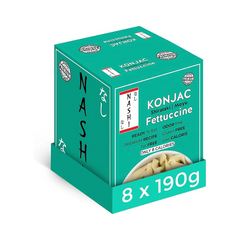
Nashi Shirataki Konjac Moyu Rice is a ready-to-eat rice alternative made from konjac. It is gluten-free and very low in calories, with 15 calories per 100 grams, making it an option for a lighter substitute for conventional rice. It requires minimal preparation before serving.
Begin by rinsing the rice under cold water for 2-3 minutes. It can then be warmed in an uncovered pan for 2-3 minutes or heated in the microwave for approximately 1 minute. Once prepared, it can be mixed with a favourite sauce or incorporated into dishes such as stir-fries, soups and salads. Because it is quick to prepare and can be used with a range of flavours, konjac rice can be easily added to different types of meals as an alternative to traditional rice.
2. Brown Rice
If you enjoy rice but want a wholegrain option, brown rice is one of the simplest changes to make. Brown rice is a minimally processed whole grain, so it retains the bran, germ and endosperm that make up the entire grain. The presence of the outer bran layer gives it a firmer, chewier texture and it generally requires more cooking time than white rice.
From a nutritional point, brown rice can offer some benefits compared with white rice. Because the bran and germ remain intact, it provides more dietary fibre and a greater range of naturally occurring nutrients, including vitamins, minerals and antioxidant compounds.
3. Quinoa
Quinoa is a versatile seed that can be used in place of rice because, once cooked, it has a mild flavour and texture similar to grains. It is gluten-free and is particularly notable for its protein content. A ½-cup serving provides around 4g of protein and it is a useful addition to meals for vegetarian or vegan diets. Quinoa is considered a complete protein because it supplies all nine essential amino acids that the body cannot produce on its own. It also contributes important minerals such as magnesium and copper, which are involved in processes including energy production and maintaining healthy bones.
To prepare quinoa, rinse the dry seeds and combine one part quinoa with two parts water. Bring the mixture to a boil, then cover and reduce the heat. Simmer until the liquid has been absorbed. Once cooked, remove it from the heat and leave it covered for about five minutes before separating the grains gently with a fork.
4. Riced cauliflower
Riced cauliflower is a lighter alternative to rice. It is made by breaking cauliflower into small, rice-sized pieces and offers a mild taste and a texture that works well in many of the same dishes as traditional rice. One of its main advantages is its low calorie and carbohydrate content as it offers a 57g serving provides about 13 calories.
You can prepare it at home by dividing a cauliflower into florets and either grate them by hand or pulse them in a food processor until they resemble rice grains. The cauliflower can then be cooked in a small amount of oil over medium heat until it softens and develops a light golden colour. Its subtle flavour allows it to absorb the seasonings and flavours of the dish for a versatile substitute for rice.
5. Bulgur Wheat
Bulgur wheat is a nutritious whole-grain option that can be used in many dishes where rice would normally be served. It consists of cracked whole-wheat grains that have been partially cooked through steaming and drying. Although it may look similar to couscous, the two are different. Couscous is made from wheat flour, whereas bulgur is produced from whole wheat grains.
Bulgur works well in salads, side dishes and grain-based meals with its light, slightly chewy texture and mild flavour. It is a traditional ingredient in tabbouleh, which is a Mediterranean dish prepared with ingredients such as tomatoes, cucumber and fresh herbs. It can also be a useful choice to reduce their calorie intake, as 100 grams of cooked bulgur wheat provides approximately 83 calories.
To prepare bulgur, combine one part grain with two parts water and bring the mixture to a boil. Reduce the heat and allow it to simmer until the grains become tender and the water has been absorbed. If any liquid remains, drain it before serving, then loosen the grains with a fork for a light and fluffy texture.
6. Protein Rice
Protein Rice is a rice-based alternative made with rice flour, rice protein powder and konjac flour. The combination of plant-based protein and konjac fibre provide more protein and fibre than conventional rice, making it a potentially more filling option for meals. It is vegan and gluten-free, so it can be included in a variety of dietary patterns. Each 100-gram serving contains 342 calories.
One of its advantages is that it requires no rinsing or soaking before cooking. To prepare it, measure 60 grams of the rice directly from the packet and add 100 ml of boiling water for a firmer texture or 120 ml for softer rice. Stir well, cover and leave it for approximately 5 minutes before serving.
7. Jasberry Organic Rice
Jasberry Organic Rice is a distinctive dark-purple rice variety valued for its antioxidant content. It contains 40 times more antioxidants than brown rice, four times more than quinoa and seven times more than kale. The purple rice is non-GMO and vegan, which is suitable for a plant-based rice option with an added nutritional focus.
Jasberry rice comes in a ready-to-heat pouch, so there is no need for lengthy preparation.
- Microwave: Gently squeeze the pouch to loosen the rice, then tear open about 2 inches across the top. Heat for 90 seconds.
- Skillet: Empty the rice into a skillet, add 3 tablespoons of water, and warm over medium heat, stirring occasionally until thoroughly heated.
After heating, carefully open the pouch or remove the skillet from the heat and serve. Take care when opening the microwave pouch, as hot steam may escape.
How Should You Choose the Right Rice Alternative?
Finding the ideal white rice alternative depends on your individual nutritional goals, dietary preferences, and the specific dish you are preparing. Rather than picking a single replacement for every meal, you can match different options to different culinary uses.
Look beyond the front-of-pack claims and compare the nutrition information. Check the protein and fibre content, carbohydrate and energy values, ingredients, serving size and any relevant allergens. If you are exploring different options, you can browse our rice collection to compare different types rice-based alternatives.
- For Lowering Carbohydrates & Calories: Options like riced cauliflower and konjac rice provide light bases that easily absorb external flavours.
- For Higher Protein & Satiety: Quinoa and Protein Rice offer complete plant-based protein profiles that keep you feeling full for longer.
- For Whole-Grain: Brown rice and bulgur wheat deliver rich dietary fibre, minerals, and a satisfying, chewy texture.
- For Antioxidant Support: Jasberry Organic Rice provide exceptional antioxidant density along with convenient meal prep.
Conclusion
Switching to healthy rice alternatives is one of the easiest ways to bring variety, extra nutrients, and new textures to your plate. Whether you want to cut down on carbohydrates with cauliflower rice, boost your plant-based protein intake with quinoa, or enjoy the antioxidant benefits of Jasberry rice, there is an option to every lifestyle and recipe. Experiment with these seven alternatives in your daily cooking to discover which substitutes work best for your favourite meals.


