


Konjac Noodles: A Complete Guide to Benefits, Safety and Uses
Share
Konjac noodles have evolved from a niche of health-food ingredients into a staple found in many wellness-focused kitchens. Popular among those following low-carb, keto, gluten-free and plant-based diets, these noodles offer a light alternative to traditional wheat-based options.
Yet despite their growing popularity, many consumers still have questions. Are konjac noodles healthy? Are konjac noodles safe? Can they cause digestive discomfort? And how can they be used to create satisfying meals without compromising flavour or nutritional balance?
This guide explores the benefits, safety considerations, and practical uses of konjac noodles, helping you make informed choices with confidence.
What Are Konjac Noodles?
Konjac noodles are made from the konjac plant (Amorphophallus konjac), a perennial plant cultivated across parts of East and Southeast Asia. The edible portion is a large underground corm, referred to as the konjac root, which has been used in traditional food preparation for centuries.
The konjac root is processed into konjac flour, a naturally fibre-rich ingredient containing glucomannan, a soluble dietary fibre known for its ability to absorb water and form a gel-like texture. This unique property gives konjac noodles their characteristic appearance and texture.
Many consumers may also encounter the term “shirataki noodles”. In most cases, shirataki noodles are a type of konjac noodle made using konjac flour and water. Today, the category includes a wide range of options, from traditional noodle shapes to udon-style varieties and rice alternatives.
Nutritional Profile of Konjac Noodles
One of the primary reasons konjac noodles have gained attention is their nutritional profile.
Unlike traditional wheat noodles, konjac noodles are low in calories and carbohydrates. Their composition is water and glucomannan fibre. It makes them a popular choice among those looking to reduce calorie intake without sacrificing meal volume.
They are also naturally:
-
Low in carbohydrates
-
Fat-free
-
Suitable for vegan diets
-
Gluten-free
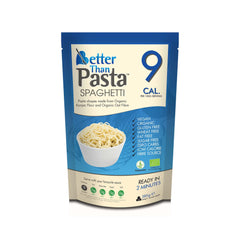
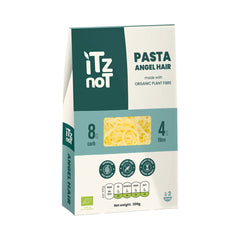
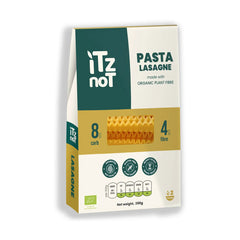
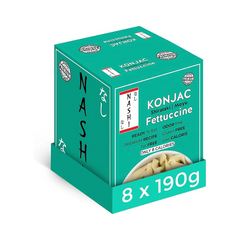
However, konjac noodles are not intended to be a complete nutritional food. They work best when paired with nutrient-rich ingredients such as vegetables, legumes, lean proteins or plant-based protein sources. Konjac shirataki premium noodles offer a practical example of a modern konjac noodle product.
Are Konjac Noodles Healthy?
A common question among consumers is whether konjac noodles are healthy. No single food determines overall health, but konjac noodles can support healthy eating patterns when included as part of a balanced diet.
Support Weight Management
Glucomannan is a highly water-soluble fibre. When consumed with sufficient fluid, it absorbs water and increases volume. Glucomannan contributes to weight management in the context of an energy-restricted diet when consumed under specific conditions.
Konjac noodles are not a magic weight-loss solution. Rather, they are low-calorie food products that assist in managing energy intake.
Supports Fibre Intake
Dietary fibre remains one of the most under-consumed nutrients in many diets. Fibre contributes to digestive health and can help support feelings of fullness. Because glucomannan is a soluble fibre, konjac noodles can contribute to overall fibre intake when consumed alongside a varied diet.
Suitable for Low-Carb Lifestyles
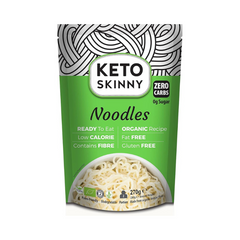
Those following ketogenic or lower-carbohydrate eating plans can use konjac noodles as a substitute for conventional pasta and noodles. Keto skinny noodles can fit naturally into meals for lower carbohydrate intake.
Are Konjac Noodles Safe?
Konjac noodles are generally considered safe when consumed as intended and as part of a balanced diet. They have been eaten across Asia for generations and are widely available internationally.
Concerns sometimes arise because glucomannan absorbs significant amounts of water. This characteristic is precisely what gives konjac products their texture and fibre-related benefits. When eating fibre-rich foods, maintaining adequate hydration is important. It is recommended that you increase fluid intake when adding more fibre to your diet, as a sudden rise in fibre can contribute to digestive discomfort in some individuals.
So, are konjac noodles bad for you? For most people, no. Problems are commonly associated with excessive fibre intake. Inadequate hydration or the inappropriate use of concentrated fibre supplements rather than properly prepared noodle products. As with many foods, suitability depends on individual dietary needs and overall eating habits.
How to Cook and Use Konjac Noodles
One reason konjac noodles remain popular is their versatility as they absorb surrounding seasonings and sauces effectively. Most ready-to-eat products require minimal preparation:
1. Drain the liquid.
2. Rinse thoroughly.
3. Heat according to package instructions.
4. Add to your chosen recipe.
Popular uses include:
-
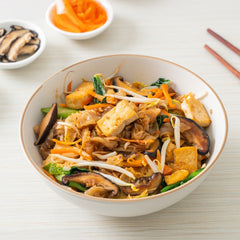
Asian-inspired stir-fries
-
Broth-based soups
-
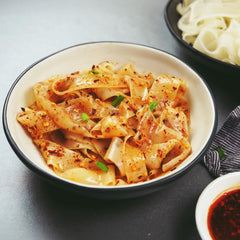
Vegetable noodle bowls
-
Thai-style curries
-
Meal-prep lunches
For dishes, udon noodles can work particularly well in warming soups and noodle bowls. Similarly, Thai-style noodles, can complement Asian-inspired recipes where texture and sauce absorption are important.
What to Consider When Buying Konjac Noodles
When considering konjac noodles, quality matters. Not all products are manufactured to the same standards, and factors such as ingredient sourcing, texture, convenience, and odour reduction can influence the overall eating experience.
Consumers often look for:
-
High-quality ingredients
-
Clear labelling
-
Ready-to-eat convenience
-
Vegan and gluten-free suitability
Therefore, look for a trusted brand that provides a curated range of konjac-based noodle options suitable for different dietary preferences.
Conclusion
Konjac noodles have earned their place in modern wellness-focused kitchens for good reason. Made from the konjac root and rich in glucomannan fibre, they offer a versatile, low-calorie alternative to traditional noodles while fitting comfortably into vegan, gluten-free and low-carb lifestyles.
For consumers seeking balance rather than restriction, konjac noodles can provide variety, convenience, and flexibility. When paired with wholesome ingredients and enjoyed as part of a varied diet, they represent a thoughtful addition to a health-conscious way of eating.
Frequently Asked Questions
Are Konjac Noodles Good for You?
They can be a useful addition to a balanced diet, particularly for those seeking lower-calorie or lower-carbohydrate alternatives.
Can You Eat Konjac Noodles Every Day?
Many people do enjoy them regularly. Variety remains important, so they should complement rather than replace nutrient-dense foods.
Are Konjac Noodles Suitable for Keto Diets?
Yes. Their naturally low carbohydrate content makes them popular among keto followers.


