


Pot Noodles: A Guide to Flavours, Diet Options and Nutrition
Share
Pot noodles have been a familiar feature of convenience food culture for decades. Valued for their simplicity and speed, they offer a quick meal solution for students, professionals and anyone short on time. Yet as dietary habits continue to evolve, many consumers are looking beyond convenience alone. Questions about nutrition, ingredients, and dietary suitability have become as important as flavour.
Whether you enjoy classic savoury varieties or are exploring healthier alternatives, understanding the range of pot noodles flavours available can help you make informed choices that align with your lifestyle and nutritional goals.
Why Pot Noodles Remain a Popular Convenience Food
The enduring popularity of pot noodles is easy to understand. They require minimal preparation, are widely available, and provide a warm, flavourful meal in just a few minutes. For busy households, office workers, and travellers, that convenience remains appealing.
At the same time, modern consumers are increasingly paying attention to what goes into their food. Many people read ingredient labels, compare nutritional information, and seek products that fit specific dietary preferences. As a result, the convenience of the food category has expanded significantly, offering a broader range of options than ever before.
This shift has encouraged manufacturers across the industry to develop products that cater to changing expectations around nutrition, plant-based eating, and ingredient quality.
Are Pot Noodles Healthy? Understanding the Nutrition
One of the most common questions consumers ask is: are pot noodles healthy? The answer depends on the specific product and how it fits within an individual's overall diet. Nutritional values can vary considerably between brands and flavour varieties.
Most pot noodles contain noodles, flavouring ingredients, seasonings, and, in some cases, small quantities of dehydrated vegetables. The nutritional profile may include carbohydrates, fat, protein, and varying levels of salt.
When evaluating whether pot noodles are healthy, it can be helpful to consider several factors:
-
Total calorie content
-
Saturated fat levels
-
Salt content
-
Fibre content
-
Protein content
-
Portion size
Are Pot Noodles Good for You?
No single food determines the quality of a diet. Occasional convenience meals can fit within a balanced lifestyle when combined with a varied intake of vegetables, fruits, whole grains, protein sources and other nutrient-rich foods.
Consumers who regularly rely on convenience foods may benefit from comparing nutritional labels and selecting options that align with their individual health goals. Nutrition labels provide valuable information that can support informed decision-making. Looking beyond marketing claims and focusing on the nutritional panel remains one of the most reliable ways to assess whether a product aligns with your personal goals.
Are Pot Noodles Vegetarian, Vegan or Gluten Free?
Dietary suitability is another area where consumers increasingly seek clarity. Some pot noodle products are suitable for vegetarians, while others contain meat-derived ingredients or flavourings. Because formulations differ between brands and product lines, consumers should always review ingredient lists and manufacturer guidance.
The growth of plant-based eating has encouraged manufacturers to introduce vegan-friendly products. Pot noodles vegan options are now available across parts of the convenience food market. Consumers following a vegan diet should check product labels carefully, as ingredients and recipes can change over time.
Traditional instant noodles are commonly made from wheat flour, meaning many products are not suitable for people following a gluten-free diet. Those seeking pot noodles gluten free options should look specifically for products that are labelled gluten free and meet their dietary requirements. Reading allergen information remains essential for anyone managing coeliac disease or gluten sensitivity.
How to Enjoy Pot Noodles as Part of a Balanced Diet
Convenience foods can play a practical role in modern eating habits, particularly when time is limited. While pot noodles are often chosen for their speed and simplicity, many consumers look for ways to create a more balanced meal around them.
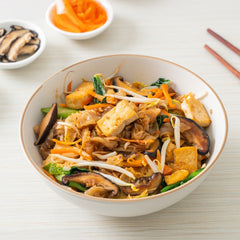
A simple way to make pot noodles more nutritious is by adding ingredients that are rich in essential nutrients. Adding vegetables such as spinach, peppers, broccoli or mushrooms can increase the overall fibre, vitamin, and mineral content of the meal. Including a source of protein, such as eggs, tofu, chicken, or beans, may also help create a more satisfying eating experience.
Portion awareness can be equally important. Some people choose pot noodles as an occasional quick lunch or evening meal rather than a daily staple, allowing them to enjoy the convenience while maintaining variety in their diet.
Healthier Alternatives for Modern Diets
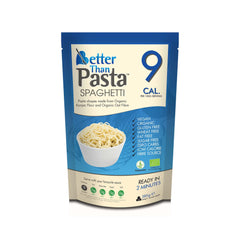
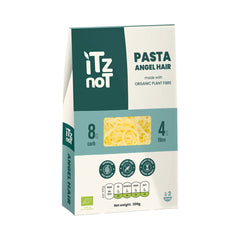
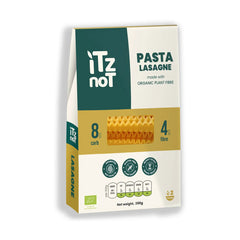
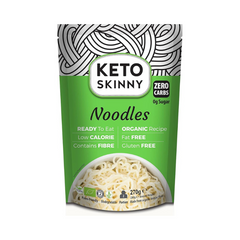
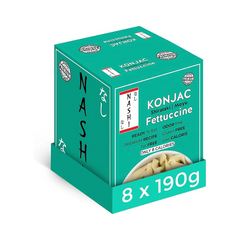
As consumer interest in wellness continues to grow, people are exploring alternatives to conventional instant noodles. One category that has gained attention is konjac-based noodles. These products are made using konjac root, which contains glucomannan, a soluble dietary fibre.
For consumers looking to reduce calorie intake while still enjoying noodle-based meals, alternatives such as Vegetable Shirataki Noodles may offer a different approach to convenience dining.
Another consideration is flavour variety. Many consumers who enjoy traditional savoury noodle dishes continue to seek familiar taste experiences while exploring products with different nutritional profiles. Pot noodles beef flavour shirataki noodles, which also demonstrate how the category has evolved to meet changing dietary preferences.
Similarly, Chicken Flavour Shirataki Noodles illustrate how convenience foods can cater to consumers seeking lighter meal options while maintaining flavour diversity. Each pot noodle product reflects the growing range of options available to consumers who prioritise convenience alongside specific nutritional considerations.
Conclusion
Pot noodles continue to offer convenience, flavour and accessibility for a wide range of consumers. From classic chicken to beef and vegetable options, there is considerable diversity within the category.
At the same time, growing interest in wellness and nutrition has encouraged many consumers to explore alternative noodle products that better suit their dietary preferences. Whether your focus is convenience, flavour, vegetarian eating, lower-calorie meals or gluten-free options, understanding the nutritional profile of your chosen product can help you make choices that support a balanced and enjoyable lifestyle.


