

Best High Protein Vegan Foods
Share
Getting enough protein on a vegan diet is easier than it may seem. From tofu, tempeh and lentils to chickpeas, beans, edamame, nuts and seeds, there is a wide range of high protein vegan foods that can form part of satisfying, well-balanced meals.
Whether you are fully vegan or simply looking to include more plant-based meals in your diet, knowing which foods provide protein can make your meal planning much simpler. From breakfast bowls and nourishing lunches to quick midweek dinners, these versatile ingredients can add both variety and substance to your plate.
Here are 15 high protein vegan foods worth knowing, followed by practical ways to turn them into satisfying, balanced meals.
What Vegan Foods Have Protein?
There is more choice than you might expect when it comes to choose vegan foods with protein.
Useful sources include pulses such as lentils, chickpeas, peas and beans; soya foods such as tofu, tempeh and edamame; mycoprotein; nuts and seeds; and grains and grain-like foods such as quinoa. Some meat alternatives can also contribute protein, although their nutritional profiles vary by product.
Rather than searching for one perfect high protein food, it makes sense to build meals around a variety of protein sources. This also makes a vegan diet more interesting, giving you plenty of scope to move between curries, stir-fries, salads, noodle bowls, soups and grain-based dishes.
15 Best High Protein Vegan Foods
1. Tofu
Approx. Protein content: 12g - 15g per 100g
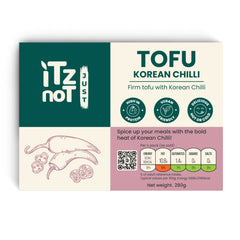
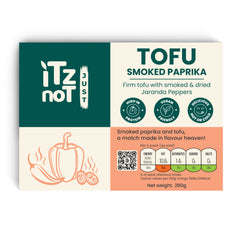
Tofu is one of the most versatile vegan protein foods. It can be baked, grilled, scrambled or added to stir-fries, curries and noodle bowls. Firm tofu is useful when you want a substantial protein component that can take on the flavour of the rest of the dish.
If you want to explore different varieties, you can browse these tofu options, which can be paired with vegetables, grains or noodles.
2. Lentils
Approx. Protein content: 9g per 100g (cooked)
Lentils are a simple staple for high protein vegan foods. Green, brown and red lentils work well in different dishes. They also provide dietary fibre, which is also useful for building meals with more than just protein in mind.
3. Chickpeas
Approx. Protein content: 7g - 9g per 100g (cooked/canned)
Chickpeas are adaptable to blend them into hummus, add them to curries and salads, or roast them for a crisp addition to a grain bowl. Their mild flavour can work with everything from Middle Eastern-inspired dishes to spicy curries and Mediterranean-style salads.
4. Beans
Approx. Protein content: 7g - 9g per 100g (cooked/canned)
Kidney beans, black beans, cannellini beans and other varieties can all contribute protein to a vegan diet. They are useful in dishes where several ingredients come together, such as bean chilli, tacos, soups, stews and rice bowls. Keeping a few varieties in the cupboard makes putting together a protein-rich meal much easier.
5. Tempeh
Approx. Protein content: 19g - 20g per 100g
Tempeh is a fermented soya food with a firmer, more substantial texture than tofu. It can be sliced and pan-fried, added to stir-fries or used in salads and grain bowls. Its distinctive texture makes it a useful alternative when you want variety beyond tofu.
6. Edamame
Approx. Protein content: 11g - 12g per 100g (steamed)
Edamame are young soya beans and provide a convenient way to add plant-based protein to a meal. Keep frozen edamame available for quick additions to noodle bowls, salads, rice dishes or stir-fries. They require little preparation and pair well with vegetables and savoury sauces.
7. Mycoprotein
Approx. Protein content: 11g - 14g per 100g
Mycoprotein is a protein-rich food ingredient made using fungi and is used in a range of meat-free foods. Mycoprotein provides all nine essential amino acids. Research has also investigated high-protein vegan diets containing mycoprotein, including studies in which protein-rich vegan diets supported comparable daily muscle protein synthesis outcomes to protein-matched omnivorous diets in healthy adults. These findings are useful, although they should not be interpreted as proof that every vegan diet or every mycoprotein product has identical nutritional effects.
8. Seitan
Approx. Protein content: 20g - 25g per 100g (cooked)
Seitan is made primarily from wheat gluten and has a dense, chewy texture that makes it popular as a meat alternative. It works well in stir-fries, wraps, sandwiches and savoury dishes. However, it is not suitable for people who need to avoid gluten, including those with coeliac disease.
9. Quinoa
Approx. Protein content: 4.4g per 100g (cooked)
Quinoa is a useful addition to a plant-based kitchen because it contributes protein while working as the carbohydrate base of a meal. You can try it in salads, grain bowls or alongside roasted vegetables and pulses. It does not need to replace other grains and can be another option for creating varied plant-based meals.
10. Peas
Approx. Protein content: 5g per 100g (boiled)
Peas are often treated simply as a vegetable side, but they also contribute protein to the overall diet. You can add them to soups, pasta dishes, curries, risottos or grain bowls. They are useful when combined with another substantial protein source such as tofu, beans or lentils.
11. Soya Beans
Approx. Protein content: 16g - 18g per 100g (cooked/boiled)
Whole soya beans are another valuable plant protein source. Edamame is one familiar form, but soya also appears in foods such as tofu and tempeh. Including different soya foods through the week can make it easier to vary the texture and style of your meals without constantly searching for new ingredients.
12. Hemp Seeds
Approx. Protein content: 31g per 100g
Hemp seeds are an easy addition to meals. Sprinkle them over porridge, salads, soups or grain bowls for a small protein contribution alongside their other nutrients. Seeds are best viewed as part of the overall meal rather than as a sole protein source.
13. Pumpkin Seeds
Approx. Protein content: 19g - 24g per 100g
Pumpkin seeds can add texture and protein to otherwise simple dishes. Scatter them over soups, salads, porridge or roasted vegetables. They are useful when you want to add a little more substance to a meal without changing its basic character.
14. Nuts and Nut Butters
Approx. Protein content: 20g - 26g per 100g
Peanuts, almonds and other nuts can contribute protein to a vegan diet and work well in everything from breakfast to savoury sauces. They are also relatively energy-dense because they contain significant amounts of fat, so portion size is worth considering. Think of nuts as nutrient-rich additions to a balanced diet rather than relying on them as your only protein source.
15. Wholegrains and Higher-Protein Grains
Approx. Protein content: 5g - 10g per 100g
Wholemeal bread, wholemeal pasta, brown rice and quinoa can all contribute protein to the overall diet. A meal containing wholegrains, pulses, tofu and vegetables can provide protein from several sources at once.
How Much Protein Do You Need on a Vegan Diet?
Protein targets do not apply equally to all individuals. Requirements vary according to factors such as age and body size. For healthy adults, the European Food Safety Authority gives a population reference intake of 0.83g of protein per kilogram of body weight per day for adults.
So, for most individuals, the more important question to ask is not which high protein food contains the highest level of protein, but whether protein-rich foods are included in daily meals on a regular basis.
How to Build a High Protein Vegan Meal
A simple way to create meals using high in protein vegan foods is to think in layers.
- Start with a Protein Anchor: Choose one substantial source such as tofu, tempeh, lentils, beans, chickpeas or mycoprotein.
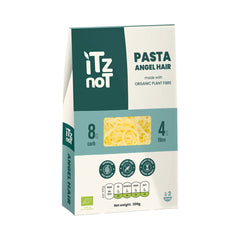
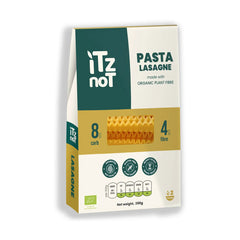
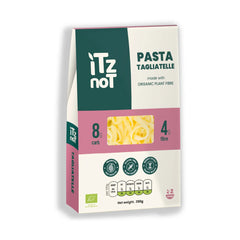
- Add a Carbohydrate Base: Wholegrain rice, quinoa, potatoes, wholemeal pasta or wholegrain bread can provide the foundation of the meal.
- Finish with Vegetables and Extras: Add a generous variety of vegetables, then use seeds, nuts, herbs, spices or a suitable dressing to bring texture and flavour.
For example, tofu with brown rice and vegetables creates a very different meal from lentils with wholemeal pasta and tomato sauce, yet both follow the same basic principle. For a convenient rice-based option, Protein Rice can also be incorporated into a plant-based bowl alongside a protein source such as tofu, vegetables and a flavourful dressing.
Easy High Protein Vegan Food Ideas for Everyday Meals
You do not need elaborate recipes to eat more protein-rich vegan meals.
- Breakfast: Try porridge with fortified soya yoghurt and seeds, wholemeal toast with peanut butter, or scrambled tofu with vegetables.
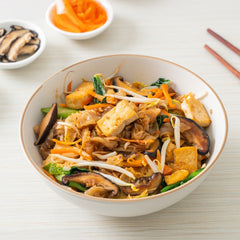
- Lunch: Lentil soup with wholemeal bread, a chickpea and quinoa salad, or a tofu noodle bowl are simple options.
- Dinner: Try tofu stir-fry with rice, lentil curry with wholegrain rice, bean chilli, or mycoprotein with potatoes and vegetables.
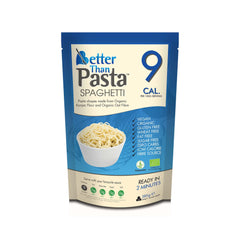
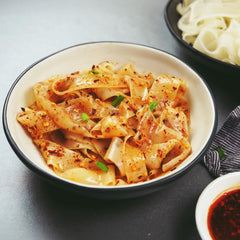
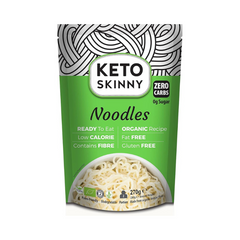
For more inspiration, these plant-based noodle bowl ideas offer different way to combine noodles with vegetables and plant-based ingredients.
Conclusion
Eating more plant-based protein is less about chasing one exceptional ingredient and more about creating meals with variety and substance. Keep a few reliable staples to hand, rotate between pulses and soya foods, add seeds or nuts where they suit the dish, and build meals around ingredients you genuinely enjoy. If you are looking for more inspiration, explore these high-protein food options.
A well-planned vegan diet can be nutritionally considered and enjoyable. Protein is one piece of that composition; variety is what brings the whole plate together.
Frequently Asked Questions
What vegan foods have protein?
Useful vegan protein sources include lentils, chickpeas, beans, tofu, tempeh, edamame, soya beans, mycoprotein, peas, quinoa, nuts and seeds. The amount of protein varies between foods and serving sizes.
What is the highest protein vegan food?
It varies depending on the food or serving. Concentrated protein foods can provide substantial amounts, while foods such as tofu, tempeh, mycoprotein and pulses can form useful parts of everyday meals. Compare foods using their nutrition information and consider the serving you actually eat.
Can you get enough protein from vegan foods?
Yes. A varied and balanced vegan diet can provide the nutrients the body needs, provided it is well planned. Protein can come from a wide range of beans, pulses, soya foods, nuts, seeds and other plant foods.
Are nuts good high protein foods?
Nuts contribute protein and can be a nutritious part of a vegan diet, but they also contain significant amounts of fat. They are therefore best used as one part of a varied diet rather than as the sole protein source.


