


Healthy Food Swaps for Weight Loss (Easy Guide)
Share
Healthy food swaps for weight loss are simple changes that can help you manage calorie intake while keeping meals balanced and satisfying. You can include swapping sugary drinks for water, replacing part of a rice or pasta serving with vegetables, choosing wholegrain carbohydrates and including a suitable source of protein in meals. It emphasises the importance of overall calorie intake, portion sizes and a varied, nutrient-dense diet when managing weight. The most sustainable route to weight loss comes from smarter choices. Even one or two everyday food swaps can make a genuine difference over time.
This guide walks you through practical, realistic healthy food swaps for breakfast, lunch, and dinner to fit into your busy lifestyle.
Why Small Swaps Beat Big Diets
Weight loss comes down to balance. Calorie counting is a way of tracking the energy in what you eat and drink, so you can make healthier choices as you go. When you consistently eat and drink more than your body needs, the surplus is stored as fat over time. It creates a deficit instead, and your body draws on its own fat stores for fuel. People who lose weight gradually at roughly one to two pounds a week, tend to keep it off more successfully than those chasing rapid results.
What Are Healthy Food Swaps?
A healthy food swap means replacing one ingredient or food choice with another that better supports your nutritional or lifestyle goals. That might mean adding more vegetables to a meal, choosing wholegrain bread instead of white bread, replacing a sugary drink with water, or changing the proportions of ingredients on your plate.
It is recommended to reduce excess sugar, salt and saturated fat. You should also replace more calorie-dense ingredients with vegetables and fruit as one way to create healthier versions of familiar meals.
What Healthy Food to Eat When Trying to Lose Weight?
If you are wondering what healthy food to eat, start with variety rather than searching for one perfect ingredient.
Build meals around:
- A generous selection of vegetables and whole fruit
- Protein sources such as beans, lentils, fish, eggs, lean meat or tofu
- Wholegrain carbohydrates where suitable
- Small amounts of oils, nuts, seeds and other energy-dense foods
- Lower-sugar and lower-fat options where appropriate
9 Easy Healthy Food Swaps for Weight Loss
1. Swap sugary drinks for water
Liquid calories can be easy to overlook. Instead of regularly choosing sugary soft drinks, consider water, unsweetened tea or coffee, or a suitable sugar-free alternative. Use water and other lower-calorie drinks and limit fruit juice and smoothies to a combined 150ml a day because they contain free sugars and are less filling than whole fruit.
2. Swap refined grains for wholegrain choices
Try wholemeal bread instead of white bread, or choose wholegrain rice and pasta where they suit the meal. Wholegrain foods can provide more fibre than refined alternatives, and choose wholegrain versions of starchy foods such as bread, rice and pasta where possible.
3. Swap part of your rice or pasta for vegetables
One of the simplest changes is to alter the proportions rather than remove an ingredient completely. Use a little less rice and add broccoli, peppers, mushrooms or courgette. Substituting vegetables for part of a rice or pasta serve to reduce the overall calorie content while retaining plenty of food on the plate.
4. Swap some conventional noodles for konjac noodles
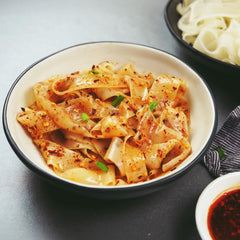
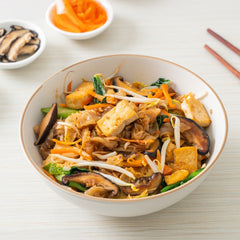
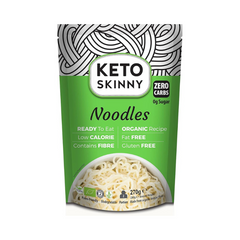
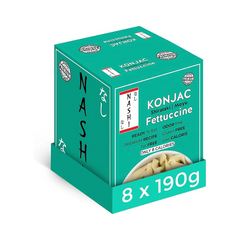
If noodles are a regular part of your meals, you do not have to give them up. What you can do, use more vegetables and a source of protein alongside your noodles, or occasionally trying conventional noodles with a konjac-based alternative. Konjac Noodle, rich in fibre can be used in stir-fries, soups and salads.
5. Swap part of a pasta dish for vegetables
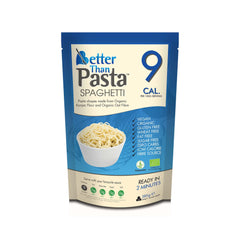
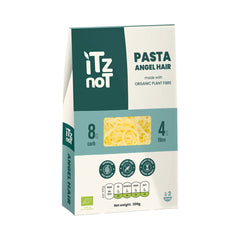
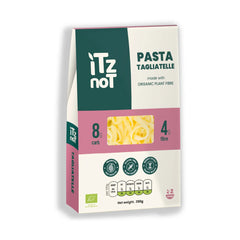
A simple way to make a pasta dish more balanced is to make the sauce and vegetables do more of the work. Add mushrooms, courgettes, peppers, spinach or aubergine to a tomato-based sauce, then serve the pasta alongside a source of protein rather than making it the only substantial ingredient. If you enjoy spaghetti but want to vary the base, Konjac Spaghetti Pasta is another option to use with familiar sauces and dishes.
6. Swap some meat-based meals for plant-based protein
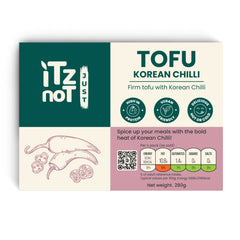
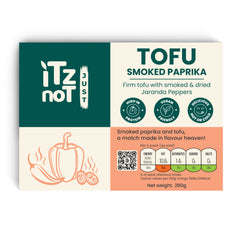
Beans, lentils, chickpeas, peas, nuts, seeds and soya products can all contribute protein to a varied diet. Tofu is also particularly versatile because it takes on the flavours of marinades, spices and sauces.
7. Swap added sugar for a suitable alternative
Reducing added sugar can be as simple as using less sugar in drinks or recipes, rather than expecting every sweet food to disappear. Where a sugar alternative suits the recipe, Better Than Sugar Zero can be considered as an ingredient option.
8. Swap calorie-dense sides for vegetables
If dinner comes with a large portion of chips, creamy sides or other calorie-dense accompaniments, try replacing some of that portion with vegetables. Roasted peppers, broccoli, green beans, courgette, cabbage or a crisp salad can add variety and texture. Vegetables and fruit provide fibre, vitamins and minerals and can help reduce the calorie content of meals when substituted for more calorie-dense ingredients.
9. Swap heavy condiments for plain Greek yoghurt or herbs
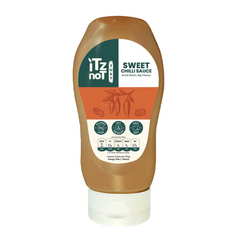
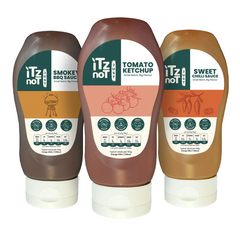
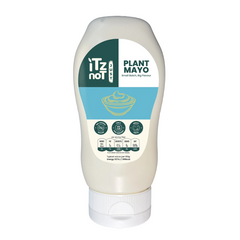
Creamy dressings and rich sauces can quietly add hundreds of calories to an otherwise light meal. Try replacing them with plain Greek yoghurt, or use lemon juice, vinegars, mustard, and fresh herbs to add flavour without excess calories or saturated fat. Another swap to low calorie tomato ketchup add flavours to your food.
Breakfast Swaps That Set the Tone
What you eat in the first hour of the day tends to set the tone for everything that follows. Trade sugary or frosted cereals for no-added-sugar muesli, or porridge, and swap croissants for whole meal toast or plain natural yoghurt topped with fresh fruit.
Lunch Swaps That Keep You Going
Lunch is often where convenience takes over, but a few changes can make it easier to build a balanced meal. Instead of relying on a large portion of bread, pastry or crisps to make lunch filling, combine a sensible portion of carbohydrates with vegetables and a source of protein.
Try swapping a white-bread sandwich for a wholemeal version filled with chicken, tuna, egg, tofu or beans, alongside salad vegetables. If you prefer a bowl-based lunch, build it around vegetables and protein, then add rice, grains or another carbohydrate according to your appetite. For a lighter noodle or rice-based lunch, Konjac Rice can be used as alternatives in dishes such as stir-fries, salads and soups.
Dinner Swaps for More Balanced Meals
Dinner does not need to feel like diet food. A useful approach is to look at the balance of the plate and identify where a change could improve the meal. If your usual dinner is built around a large portion of pasta, rice or another starchy food, try reducing the portion slightly and adding more vegetables and a suitable protein source. For example, a tomato-based pasta sauce can be enhanced by adding mushrooms, courgettes, peppers or spinach, while a stir-fry can include a generous variety of vegetables alongside tofu, chicken, fish or another protein source.
You can also rethink the side dishes. Try roasted vegetables, steamed greens or a mixed salad. For a convenient dinner, Konjac Spaghetti Bolognese offers a ready-made option when you want a quick pasta-style meal.
Healthy Food Swaps for Weight Loss as a Vegan
Weight loss as a vegan follows the same principle: overall energy intake still matters, while food quality and nutritional balance remain important.
Useful plant-based choices include vegetables, fruit, beans, lentils, chickpeas, wholegrains, nuts, seeds and soya foods such as tofu.
A vegan label does not automatically make food low in calories or nutritionally balanced. Fried foods, large portions, oils, sauces and highly processed plant-based foods can still contribute substantial energy. A better approach is to create satisfying meals from a variety of minimally processed plant foods, with appropriate portions.
How to Make Healthy Food Swaps Sustainable
Start with one or two meals you eat regularly. Change the part that adds the least value first: perhaps the sugary drink, oversized portion, heavy side or lack of vegetables.
Then keep the meals you genuinely enjoy. A vegetable-rich curry, tofu stir-fry or pasta dish can be part of a balanced eating pattern. You can even check out healthy food products as per your lifestyle, which can be useful to explore suitable ingredients and food choices.
FAQs About Healthy Food Swaps for Weight Loss
What are the best food swaps for weight loss?
There is no single best swap. Practical options include replacing sugary drinks with water or sugar free products, increasing vegetables, choosing wholegrain carbohydrates, moderating portions and selecting suitable protein sources. The most useful changes are those that reduce excess calorie intake for maintaining a balanced diet.
What healthy food should I eat for dinner when trying to lose weight?
Aim for a balanced meal containing plenty of vegetables, a source of protein, and an appropriate portion of carbohydrates. You can have at least two portions of vegetables with a main meal.
Can healthy food still lead to weight gain?
Yes. Nutritional quality and calorie intake are separate considerations. Regularly consuming more calories than your body needs can lead to weight gain, even when those calories come from nutritious foods.


