






Hidden Sugar in Your Sauces? Try Easy Low-Sugar Sauce Alternatives
Share
A well-balanced meal starts with fresh ingredients. You choose lean chicken, seasonal vegetables, or cooked salmon, then finish the plate with a generous spoonful of sauce. It seems like a small addition, yet this is where many people unknowingly add more sugar than they realise.
Tomato ketchup, smoky BBQ sauces, sweet chilli sauces and ready-made marinades can all contain added sugars, even when they don't taste particularly sweet. While enjoying sugar as part of a balanced diet is reasonable, regularly consuming hidden sugars from everyday condiments can make it harder to stay within the recommended limits for free sugars. Adults should not consume more than 30g of free sugar per day.
The encouraging news is that reducing added sugar doesn't mean settling for bland food. Today's healthy sauces rely on quality ingredients, herbs, spices, and balanced flavours rather than excessive sweetness. Small changes in your cupboard can make everyday meals feel lighter, fresher, and more satisfying.
This guide explains where hidden sugars often appear, how to spot them on food labels, and which low sugar sauces can help you enjoy flavour without unnecessary compromise.
Why Hidden Sugar Is Lurking in Everyday Sauces
Most people associate sugary foods with biscuits, desserts or soft drinks. Condiments rarely receive the same attention, yet they are used so frequently that they can quietly increase overall sugar intake.
Manufacturers add sugar to sauces for several practical reasons. It helps to balance acidity in tomato-based recipes, softens spicy flavours, can improve texture and shelf life. Sugar itself is not unusual in food production, but the amount varies considerably between products and recipes.
Some of the most common condiments that may contain higher levels of added sugar, that doesn't mean these sauces should be avoided. Instead, it highlights why comparing labels and choosing low sugar condiments where appropriate can be a sensible everyday habit.
Another important point is serving size. Nutrition labels are often based on relatively small portions, but it's easy to use two or three servings during one meal without noticing. Over time, those extra teaspoons of sugar can add up.
Making healthy condiment sauces swaps is often one of the simplest ways to support a balanced eating pattern to enjoy familiar flavours.
How Much Sugar Is Too Much? Learning to Read Food Labels
Choosing healthier products becomes easier once you know what to look for. The nutrition panel tells you the total sugar content, while the ingredients list reveals whether sugar has been added during manufacturing. Sugar may also appear under different names, including:
- Glucose syrup
- Fructose
- Dextrose
- Maltose
- Invert sugar
- Cane sugar
- Golden syrup
This doesn't necessarily mean a product is unhealthy, but recognising these ingredients helps you to make meaningful comparisons between similar products. When selecting healthy sauces, it's also worth considering the wider nutritional profile rather than focusing on one ingredient alone. Quality tomatoes, herbs, spices, vinegar and natural flavourings contribute far more to flavour than added sugar ever could.
Rather than aiming for perfection, think in terms of gradual improvements. Replacing one or two regularly used condiments with low sugar sauces can make a meaningful difference over time without changing the meals you already enjoy.
Healthy Condiment Swaps That Still Deliver Great Flavour
The best healthier alternatives don't try to imitate flavour by removing everything enjoyable. Instead, they rely on balanced ingredients that allow herbs, spices and natural acidity to shine.
1. Replace Standard Tomato Ketchup with a Lower-Sugar Alternative
Tomato ketchup is one of favourite condiments sauce, pairing naturally with everything from homemade burgers to oven-roasted potatoes. Traditional recipes often include added sugar to soften the natural acidity of tomatoes, although the amount varies between brands.
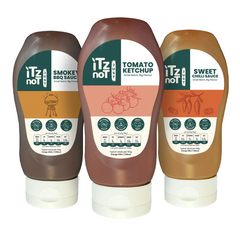
If ketchup is a regular feature on your table, choosing a lower-sugar version is one of the easiest swaps to make. Keto Chef Tomato ketchup naturally fits into this approach because it offers classic tomato flavour while helping reduce unnecessary added sugars.
Another suitable option is Eat Water Tomato ketchup, providing a similar alternative for sandwiches, chips, grilled vegetables and meals.
2. Choose a Better Sweet Chilli Sauce
Sweet chilli sauce is loved for its balance of gentle heat and sweetness. However, conventional sauce recipes may rely heavily on sugar to achieve that characteristic sticky texture.
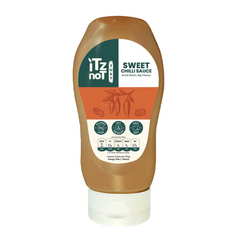
Lower-sugar alternatives can still deliver the familiar contrast between sweetness and chilli with the natural spice profile to come through more clearly. Keto Chef Sweet Chilli sauce offers a practical option for dipping, glazing or adding flavour to rice bowls and salads without relying on sugar.
3. Enjoy Smoky BBQ Flavour Without the Sugar Overload
Few sauces are as closely associated with summer cooking as BBQ sauce. Rich tomato, smoked paprika, garlic, onion and spices create depth, yet many commercial varieties also contain generous amounts of added sugar or syrups.
A well-prepared BBQ sauce doesn't need excessive sweetness to deliver complexity. For grilled vegetables, chicken skewers or homemade burgers, Keto Chef Smoky BBQ sauce offers a low-sugar sauce that complements the food.
4. Swap Traditional Mayonnaise for a Vegan Alternative
Mayonnaise isn't associated with high sugar levels in the way ketchup or sweet chilli sauce can be, but it's still worth choosing products made with quality ingredients that complement a balanced diet. A well-made vegan mayonnaise can bring creamy texture and richness without overwhelming the other flavours on your plate.
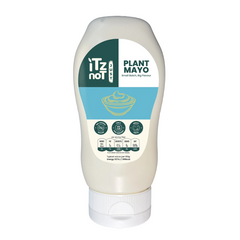
Whether you're making a chicken salad, spreading it in a sandwich or serving it alongside roasted vegetables, the best mayonnaise should enhance rather than dominate. iTz noT Vegan Mayo sauce offers a versatile option that works well in your food.
5. Choose a Curry Sauce That Lets the Spices Shine
Curry sauces vary depending on the recipe. While many are naturally savoury, some ready-made versions include added sugar to balance spices or acidity.
If you are preparing a quick midweek meal, a lower-sugar curry sauce allows aromatic ingredients such as turmeric, cumin, coriander, ginger and garlic to remain the focus. Keto Chef Sweet Curry sauce is well suited to dishes featuring grilled chicken, roasted vegetables and more for a balanced flavour profile without relying on excessive sweetness.
Small Swaps, Big Difference: Building a Healthier Pantry
Healthy eating rarely comes down to one ingredient or one meal. More often, it's the result of small, consistent choices that fit comfortably into everyday life. Swapping a few frequently used condiments for low sugar sauces is a simple example. You still enjoy the flavours you love, but with greater awareness of what goes into your meals.
When refreshing your pantry, consider a few practical habits:
- Compare nutrition labels rather than relying on front-of-pack claims alone.
- Look for sauces where herbs, spices, tomatoes or vinegar provide most of the flavour.
- Keep a mix of bottled condiment sauces and homemade dressings to suit different meals.
- Experiment with fresh ingredients such as lemon, garlic and herbs to add flavour naturally.
A curated range of quality condiments can also make healthy cooking feel more enjoyable. The healthy sauces collection brings lower-sugar options for everyday meals that complement a balanced lifestyle. Ultimately, the goal isn't to eliminate every gram of sugar. It's about making appropriate choices that support long-term eating habits and allow food to be genuinely enjoyable.
Conclusion: Enjoy Better Flavour Through Smarter Choices
The sauces we keep in our cupboards become part of our daily routine, so they are an easy place to make positive changes. Choosing healthy sauces doesn't mean sacrificing flavour or avoiding favourite meals. Instead, it's about finding products that rely on balanced ingredients rather than unnecessary added sugar.
Whether you are serving grilled chicken, roasted vegetables, salmon or a sandwich, thoughtful healthy condiment swaps can make everyday cooking feel fresher and more satisfying. Combined with whole foods and balanced meals, they help to create an approach to eating that is practical and enjoyable.
Frequently Asked Questions
Are low sugar sauces healthier than regular sauces?
Lower-sugar sauces can help to reduce your intake of free sugars, particularly if you use condiments regularly. However, no single food determines whether a diet is healthy. It's always worth looking at the overall nutritional profile, ingredient quality and how the sauce fits into your wider eating pattern.
Can healthy sauces still taste good?
Absolutely. Flavour comes from far more than sugar alone. Tomatoes, herbs, spices, garlic, onion, vinegar, citrus and balanced seasonings all contribute depth and complexity.
Which sauces are most likely to contain hidden sugar?
The sugar content varies by recipe and brand, but condiments commonly associated with higher levels of added sugar include:
- Tomato ketchup
- Sweet chilli sauce
- BBQ sauce
- Teriyaki sauce
- Some ready-made marinades
Reading the nutrition label and ingredients list remains the most reliable way to compare products.
Can I use low sugar sauces for meal preparation?
Yes. Low sugar condiments work well in meal prep because they are versatile and pair easily with proteins, vegetables and wholegrains. They can be used as marinades, dipping sauces or finishing touches for dishes prepared in advance.
What sauce goes with chicken if I am trying to reduce sugar?
For grilled or roasted chicken, lower-sugar BBQ sauce, tomato ketchup or curry sauce are all excellent options. Fresh yoghurt-based dressings with herbs and lemon also provide plenty of flavour to keep ingredients simple.
What sauce goes well with salmon?
Salmon pairs well with herb dressings, lemon-based sauces, lighter sweet chilli sauces and creamy herb mayonnaise. The aim is to enhance the fish's natural richness rather than overpower it.


